

EGR delete kits have become a popular topic among enthusiasts of turbocharged engines. Many vehicle owners seek to improve their engine performance and efficiency, often considering these kits as a potential solution. By removing the EGR system, these kits can enhance horsepower and provide a cleaner boost to the engine’s performance.
However, it’s essential to recognize the implications of using an EGR delete kit. Not only can it affect vehicle emissions, making it illegal in many areas, but it may also have repercussions on engine longevity. Understanding the balance between performance gains and legal considerations is crucial for anyone looking to modify their turbocharged engine.
The choice to install an EGR delete kit involves weighing various factors, including possible engine modifications, overall vehicle operation, and regulatory compliance. Readers will find that a thorough examination of these aspects is necessary for making an informed decision about enhancing turbocharged engine performance.
Understanding EGR Delete Kits
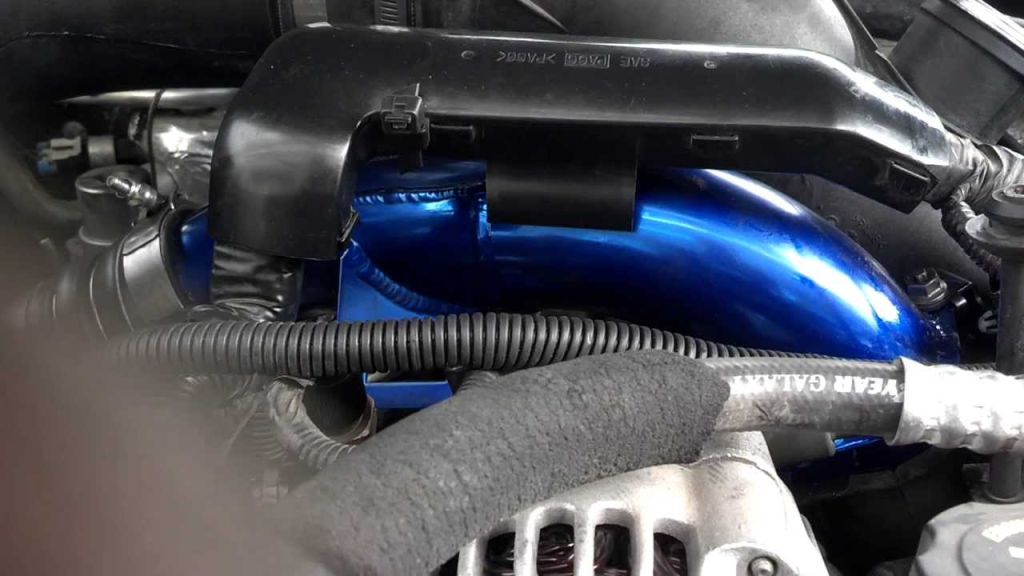
EGR (Exhaust Gas Recirculation) delete kits are used to remove or disable the EGR system in diesel engines. These kits can enhance engine performance but also come with legal and environmental considerations. Understanding their function, implications, and installation process is crucial for anyone considering this modification.
Explanation of What EGR Delete Kits Are and How They Work
EGR delete kits are designed to eliminate the EGR valve and associated components from a vehicle’s engine. The primary function of the EGR system is to recirculate a portion of exhaust gases back into the engine’s intake, which helps reduce nitrogen oxide emissions.
By removing this system, these kits boost engine performance by reducing back pressure and allowing for a more efficient air and fuel mixture.
The components typically include blanking plates and hoses that ensure the engine operates without the EGR system, effectively improving horsepower and torque.
Discussion of the Legal and Environmental Implications of EGR Deletion
EGR deletion raises significant legal and environmental concerns. In many regions, including the United States, modifying or removing emissions control devices, such as EGR systems, is illegal. Vehicles must comply with federal emissions standards, and penalties for non-compliance can reach thousands of dollars.
From an environmental perspective, removing the EGR system can lead to increased emissions of harmful pollutants, contradicting the goals of reducing air pollution. Car owners should be aware of these implications before proceeding with an EGR delete kit installation.
Overview of the Installation Process and Considerations
Installing an EGR delete kit typically requires a moderate level of technical skill. First, the existing EGR components must be removed, which involves unbolting the EGR valve, cooler, and associated piping.
Next, the delete kit components are installed, often requiring the use of specific tools and possibly the reprogramming of the engine’s computer.
Considerations include ensuring that the vehicle meets local emissions regulations, as well as checking the warranty status, since modifications can void manufacturer warranties. Proper installation is essential to prevent mechanical issues and ensure optimal performance.
Benefits of EGR Delete Kits for Turbocharged Engines
EGR delete kits can significantly impact turbocharged engines by improving efficiency, performance, and response times. These benefits make them increasingly popular among enthusiasts and those seeking to optimize vehicle performance.
Reduction of Turbo Lag
Turbo lag refers to the delay between pressing the accelerator and the turbocharger providing additional power. EGR systems can contribute to this delay by forcing exhaust gases back into the intake, which may lead to a decrease in the effectiveness of fresh air entering the engine.
By installing an EGR delete kit, the engine is allowed to pull in more fresh air without the interference of exhaust gases. This reduction in unwanted gases helps maintain optimal charge density, leading to quicker turbo spool-up and reduced lag. As a result, drivers can experience a more responsive throttle and improved acceleration.
Enhanced Engine Performance
Removing the EGR system from a turbocharged engine can lead to enhanced overall performance. The elimination of exhaust gas recirculation allows for a more efficient combustion process. By optimizing air-fuel mixtures, the engine can produce more power.
With more efficient combustion, the engine can operate at higher power levels without the buildup of soot that typically occurs with an EGR system. A turbocharged engine benefits from cleaner combustion, resulting in additional horsepower and torque gains. This boost in performance can be particularly advantageous during towing, racing, or high-load scenarios.
Potential for Better Fuel Efficiency
Fuel efficiency may improve as a result of an EGR delete kit installation. By preventing the recirculation of exhaust gases, the engine can burn fuel more cleanly and efficiently. Less exhaust gas means more room for air and fuel, which can translate to a more complete combustion cycle.
When an engine operates more efficiently, it often requires less fuel to produce the same amount of power. This optimization can result in improved miles per gallon (MPG), especially during high-performance driving conditions. Additionally, maintaining lower exhaust temperatures due to reduced soot buildup can help prolong engine life and reduce maintenance costs.
Considerations and Potential Drawbacks
EGR delete kits present specific challenges that should be considered before installation. Key concerns include legal implications regarding emissions compliance, potential wear on engine components, and the critical need for proper installation and tuning to ensure optimal performance.
Legal Ramifications and Emissions Compliance
Installing an EGR delete kit can lead to legal complications. Many regions have strict emissions regulations. Removing the EGR system can violate these laws, resulting in fines or failure to pass vehicle inspections.
Vehicles designed to comply with emissions standards may no longer meet requirements after an EGR delete. This could also affect warranty coverage. Owners should be aware of local regulations and understand the potential consequences of non-compliance before proceeding.
Possible Engine Wear and Maintenance Issues
An EGR delete can impact engine longevity. While removing the EGR valve may increase power and efficiency, it also eliminates a mechanism designed to reduce combustion temperatures. Higher temperatures can lead to increased wear on components like the turbocharger and cylinder heads.
Additionally, removing the EGR system can alter fuel combustion characteristics. This may necessitate more frequent maintenance. Issues such as carbon buildup can occur due to the absence of exhaust gas recirculation, potentially leading to costly repairs.
Importance of Professional Installation and Tuning
Proper installation and tuning of an EGR delete kit are crucial for maintaining system integrity. Incorrect installation can lead to exhaust leaks or engine misfires, resulting in decreased performance or damage.
Professional tuning is often required after installation to optimize the engine’s performance. This may involve recalibrating the engine management system to prevent issues like excessive smoke or poor fuel efficiency. Engaging a qualified mechanic can ensure that the system runs smoothly, maximizing the benefits of the EGR delete while minimizing risks.
Conclusion
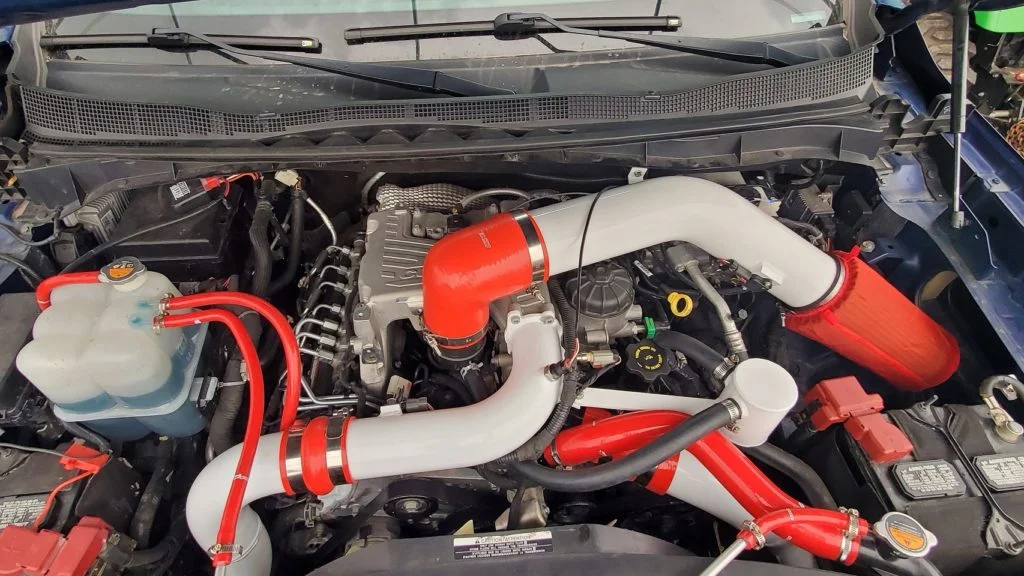
EGR delete kits play a significant role in optimizing turbocharged engines. Removing the EGR system can enhance performance by offering a cleaner air-fuel mixture. This improvement contributes to better combustion efficiency.
Benefits include:
- Increased horsepower: By eliminating exhaust gas recirculation, the engine experiences more power.
- Improved throttle response: Drivers often notice enhanced acceleration with less lag.
- Reduced carbon buildup: Without recirculating exhaust gases, there are fewer deposits on critical engine components.
However, the implementation of an EGR delete kit requires careful consideration. Tuning the engine’s ECU is essential to avoid performance issues. A failure to do so may result in diminished fuel economy or potential engine damage.
Mechanics often recommend selecting appropriate EGR delete kits tailored to specific vehicles. Simple solutions, like block-off plates, are available for various engine models. Each kit should align with both performance goals and regulatory requirements.
Compatibility with the overall engine setup can determine success. Therefore, meticulous research is crucial before installation. Turbocharged engines may gain substantial benefits from EGR deletion, but responsible implementation is key to achieving optimal results.