
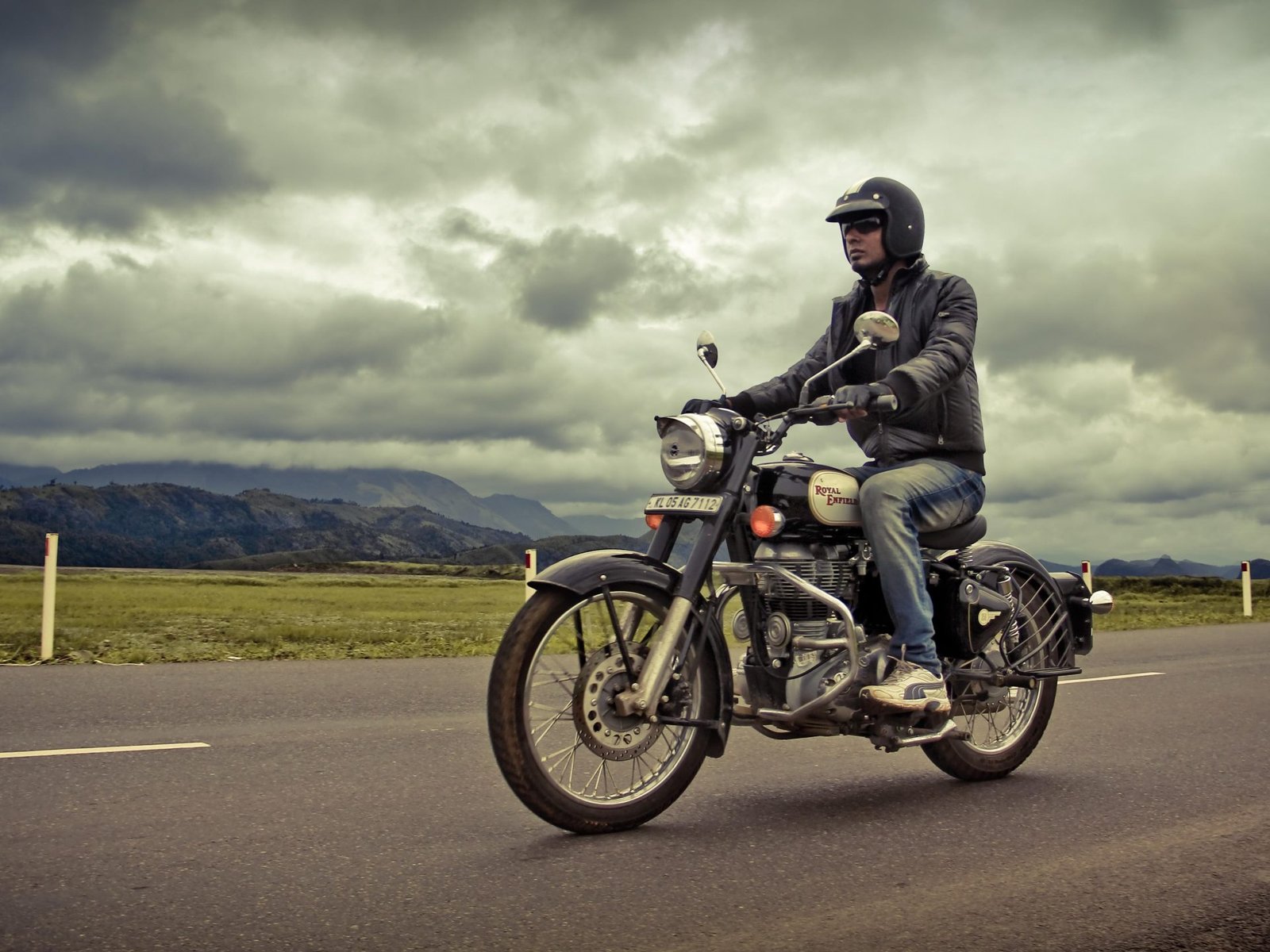
Motorcycle riding is a thrilling experience, especially when it’s done in the great outdoors. However, it can also be dangerous if proper safety measures are not taken. Therefore, it’s important to know the best practices for outdoor motorcycle riding to ensure a safe and enjoyable ride.
One of the most important best practices for outdoor motorcycle riding is to always wear proper safety gear. This includes a helmet, gloves, boots, and protective clothing that covers the entire body. It’s also important to choose gear that is specifically designed for motorcycle riding, as it offers better protection and comfort compared to regular clothing.
Another best practice for outdoor motorcycle riding is to always be aware of your surroundings. This means being vigilant of other vehicles on the road, as well as any potential obstacles or hazards such as gravel, debris, or animals. Maintaining a safe distance from other vehicles and reducing speed when necessary can help prevent accidents and ensure a safe ride.
Pre-Ride Preparations
Before hitting the road, it is important for motorcycle riders to take the necessary precautions to ensure a safe and enjoyable ride. This section will discuss two key aspects of pre-ride preparations: the importance of a thorough motorcycle inspection and proper gear selection.
Importance Of A Thorough Motorcycle Inspection
Before heading out on a ride, it is essential to perform a thorough inspection of the motorcycle to ensure that it is in good condition. This includes checking the tires for proper inflation and wear, testing the brakes, and inspecting the chain or belt for proper tension and lubrication. Other important areas to check include the headlights, turn signals, and horn to ensure that they are working properly.
Riders should also check the oil and fluid levels and inspect the bike for any leaks or damage. If any issues are found, they should be addressed before the ride to prevent any potential safety hazards.
Proper Gear Selection
In addition to a thorough motorcycle inspection, proper gear selection is also crucial for a safe and enjoyable ride. Riders should wear a helmet that meets safety standards, as well as protective clothing such as a leather jacket, gloves, and boots.
It is also important to consider the weather conditions when selecting gear. In hot weather, riders should choose gear that is lightweight and breathable, while in cold weather, layers and heated gear can help keep riders warm.
Overall, taking the time to perform a thorough motorcycle inspection and selecting proper gear can help ensure a safe and enjoyable ride.
Riding Techniques And Safety Measures
Understanding Road Conditions
When it comes to outdoor motorcycle riding, understanding road conditions is crucial for ensuring a safe and enjoyable ride. Riders should always be aware of the current weather conditions, as well as any potential hazards on the road such as potholes, loose gravel, or debris. It is also important to pay attention to the traffic flow and to be aware of blind spots.
To ensure maximum safety, riders should maintain a safe following distance from other vehicles, especially in adverse weather conditions. They should also avoid sudden braking or acceleration, as this can cause the bike to lose traction and potentially lead to an accident.
Defensive Riding Strategies
Defensive riding strategies are an essential part of outdoor motorcycle riding. Riders should always assume that other drivers on the road may not see them and take appropriate precautions. This includes wearing bright and reflective clothing, as well as using hand signals and turn signals to communicate with other drivers.
It is also important to maintain a high level of situational awareness and to always be prepared for the unexpected. This means scanning the road ahead for potential hazards, such as sudden stops or turns, and being ready to react quickly if necessary.
Overall, the best practices for outdoor motorcycle riding involve a combination of defensive riding strategies, a thorough understanding of road conditions, and a commitment to safety. By following these guidelines, riders can enjoy the freedom and excitement of motorcycle riding while minimizing the risks associated with this activity.
Group Riding Etiquette
When it comes to group riding, it’s important to follow proper etiquette to ensure the safety of all riders involved. Here are some best practices to keep in mind:
Importance Of Communication Among Riders
Communication is key when it comes to group riding. Before the ride, establish a plan for communication, such as using hand signals or a Bluetooth headset system. It’s important to communicate any changes in direction or speed to the rest of the group so that everyone stays together and avoids accidents.
Maintaining Proper Formation And Spacing
Maintaining proper formation and spacing is crucial for group riding. The Motorcycle Safety Foundation recommends maintaining a two-second gap between you and the rider directly in front of you, and roughly a one-second gap between you and the next rider in the group. This allows for enough space to react to sudden changes in speed or direction.
Establishing Hand Signals And Signals For Stops
Establishing hand signals and signals for stops is another important aspect of group riding etiquette. Before the ride, agree on hand signals for turning, stopping, and other important maneuvers. It’s also important to establish a signal for when the group needs to stop, such as pulling over to the side of the road and turning on hazard lights.
By following these best practices for group riding etiquette, riders can enjoy a safe and enjoyable ride together.
Conclusion
Recap Of Best Practices For Outdoor Motorcycle Riding
In conclusion, outdoor motorcycle riding can be an exhilarating experience, but it is important to prioritize safety. The best practices for outdoor motorcycle riding include wearing appropriate protective gear such as helmets, gloves, and boots. Riders should also ensure that their motorcycles are in good condition and that they have the necessary skills and knowledge to operate them safely.
Other best practices for outdoor motorcycle riding include being aware of weather conditions, road conditions, and traffic. Riders should also maintain a safe following distance from other vehicles, avoid distractions, and ride within their limits.
Encouragement To Prioritize Safety And Enjoyment
While it is important to prioritize safety when riding a motorcycle, it is also important to enjoy the experience. By following the best practices outlined above, riders can enjoy the freedom and thrill of outdoor motorcycle riding while minimizing the risks.
Invitation For Readers To Share Their Experiences And Tips
Outdoor motorcycle riding is a diverse and dynamic activity, and there is always more to learn. We invite our readers to share their experiences and tips for safe and enjoyable outdoor motorcycle riding in the comments below. By sharing our knowledge and experiences, we can all become better riders and enjoy this incredible activity to the fullest.
Frequently Asked Questions
What safety gear should I wear while riding a motorcycle?
Wearing proper safety gear is crucial while riding a motorcycle. A helmet is the most important piece of safety gear that a rider should wear. It protects the head from injury in case of an accident. Other essential safety gear includes gloves, boots, a jacket, and pants made of abrasion-resistant material. These pieces of gear can protect the rider from road rash and other injuries.
How can I improve my motorcycle control with practice drills?
Practice drills can help improve motorcycle control, especially for beginners. Some of the drills that can be practiced include slow-speed maneuvers, emergency braking, and counter-steering. Slow-speed maneuvers help in developing balance and control of the motorcycle at low speeds. Emergency braking drills help in developing the skills to stop the motorcycle quickly in case of an emergency. Counter-steering drills help in developing the skills to turn the motorcycle smoothly.
What are the key techniques for riding a motorcycle in the rain?
Riding a motorcycle in the rain requires some additional skills and techniques. Some of the key techniques include reducing speed, increasing following distance, and avoiding sudden maneuvers. It is also important to wear appropriate rain gear to stay dry and maintain visibility. Additionally, it is recommended to avoid riding in heavy rain or thunderstorms.
What steps should I take to maintain my motorcycle when it’s parked outdoors?
When parking a motorcycle outdoors, it is important to take some steps to maintain it properly. These steps include covering the motorcycle to protect it from the elements, using a lock to secure it from theft, and checking the tire pressure regularly. It is also recommended to start the motorcycle once in a while to keep the battery charged.
What are the fundamentals of a motorcycle riding skills course?
A motorcycle riding skills course teaches the fundamentals of motorcycle riding. The course covers topics such as motorcycle controls, balance, and maneuvering. It also covers safety gear, emergency braking, and counter-steering. The course is designed to help riders develop the skills and confidence needed to ride safely and responsibly.
How can I ride my motorcycle more efficiently to conserve fuel?
Riding a motorcycle efficiently can help conserve fuel. Some tips for riding efficiently include maintaining a steady speed, avoiding sudden acceleration or braking, and reducing wind resistance. It is also recommended to keep the motorcycle well-maintained, including regular oil changes and tire pressure checks. Additionally, removing any unnecessary weight from the motorcycle can also help improve fuel efficiency.